
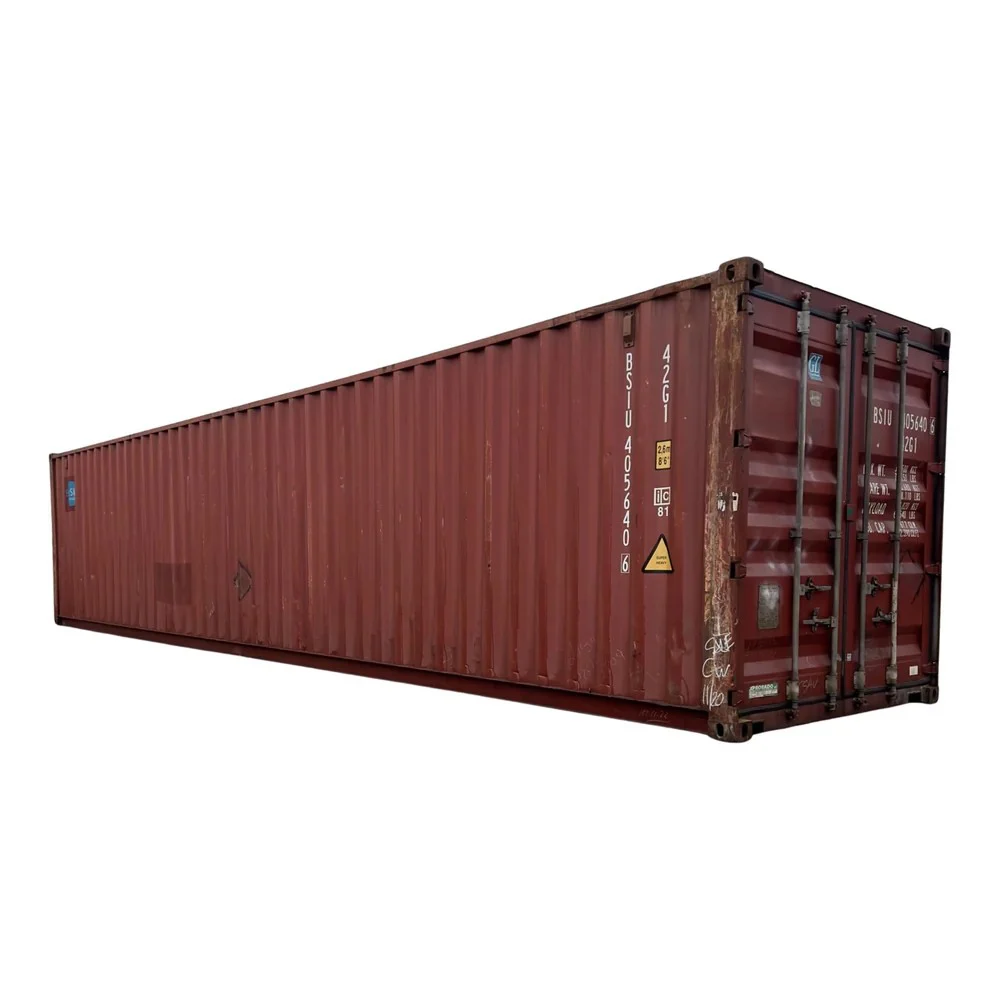
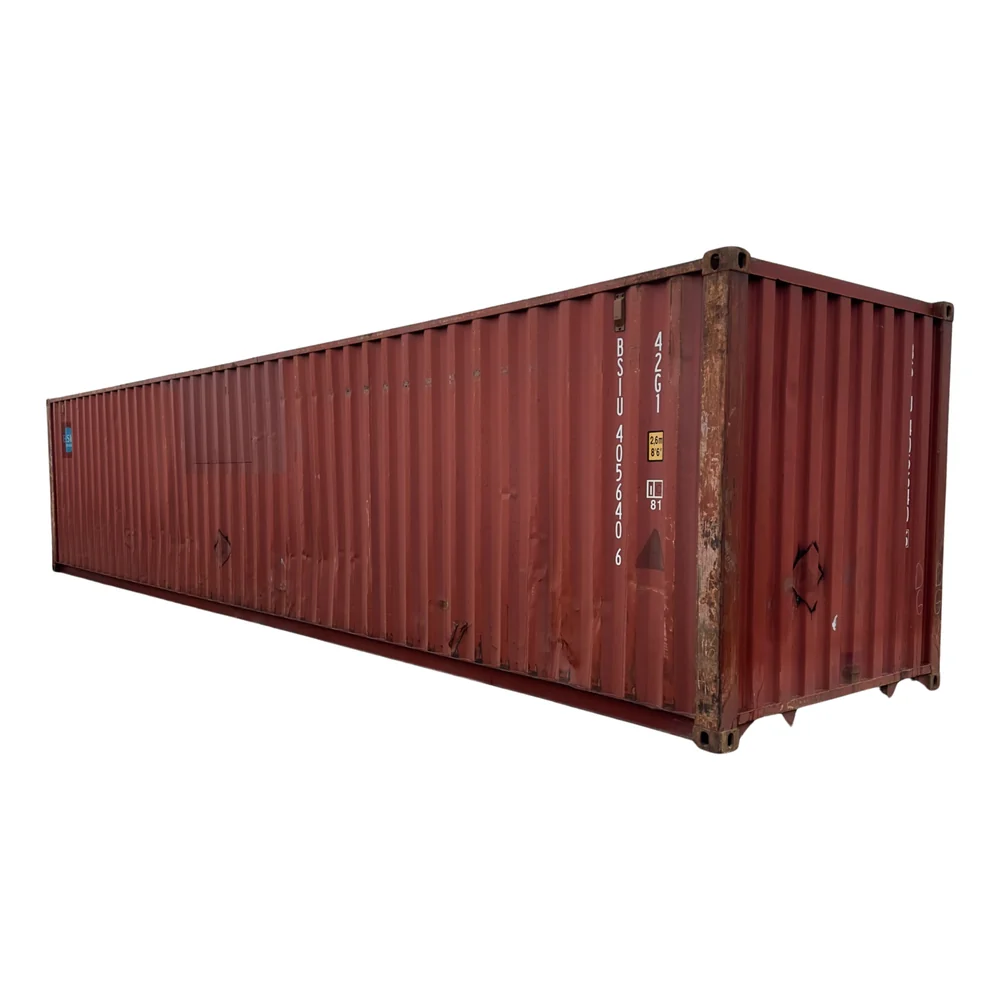
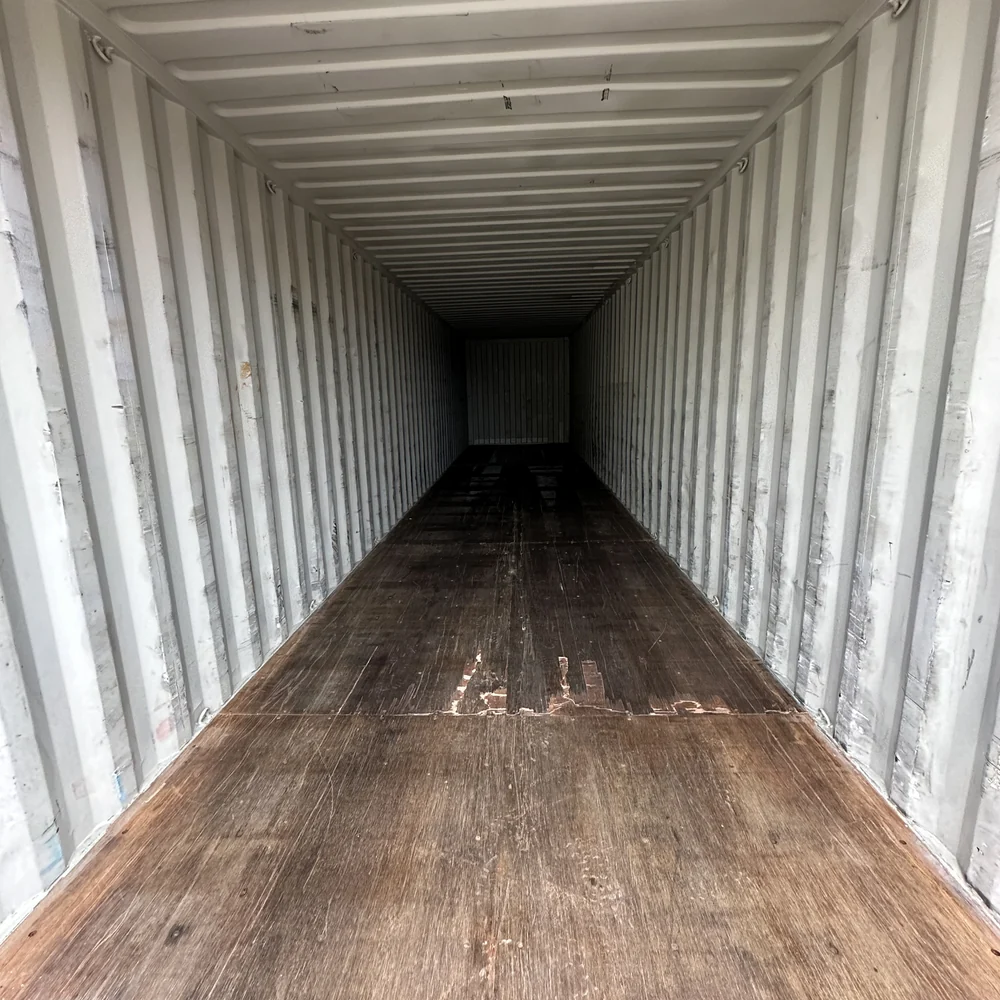

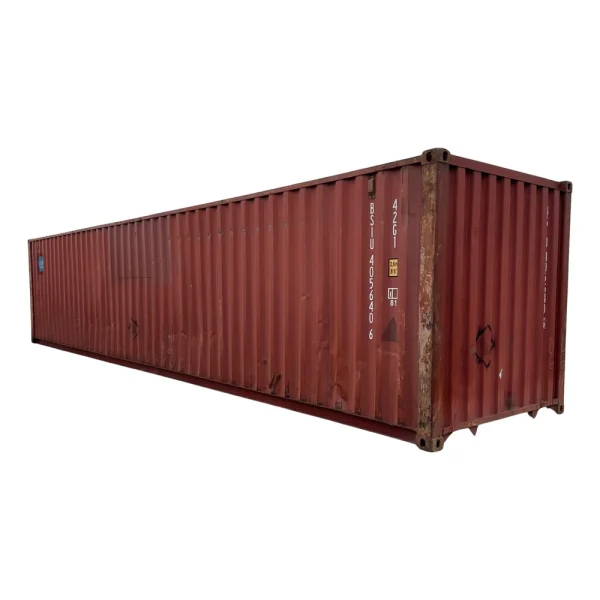
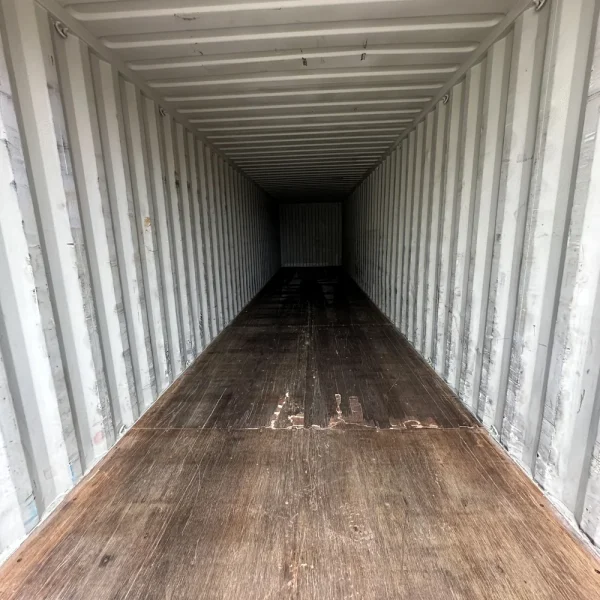

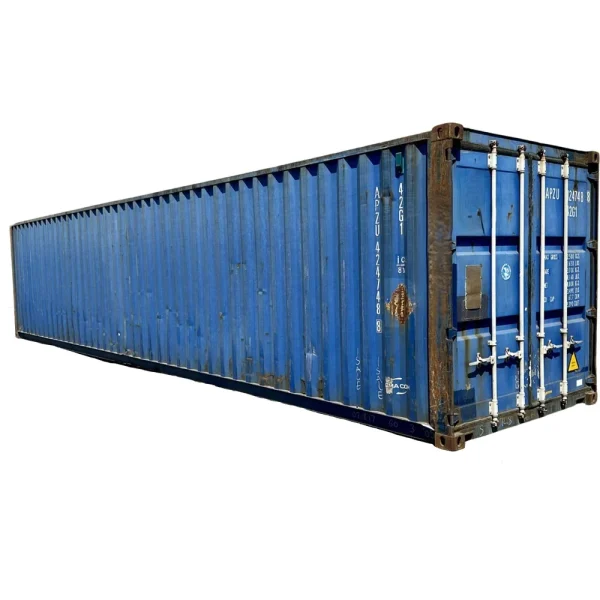
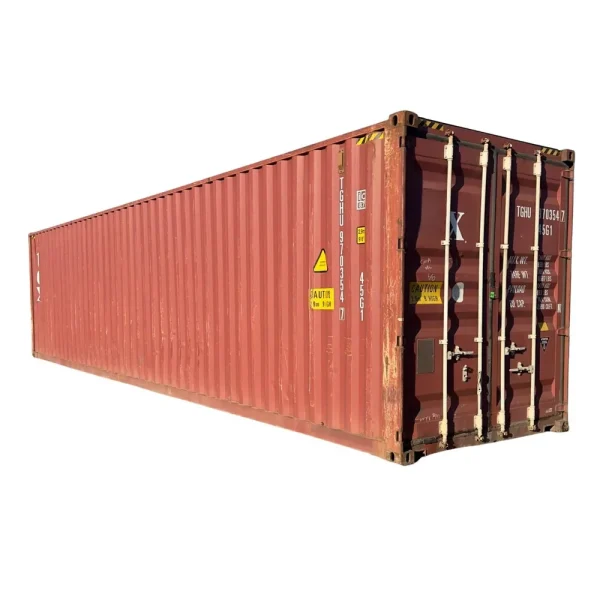
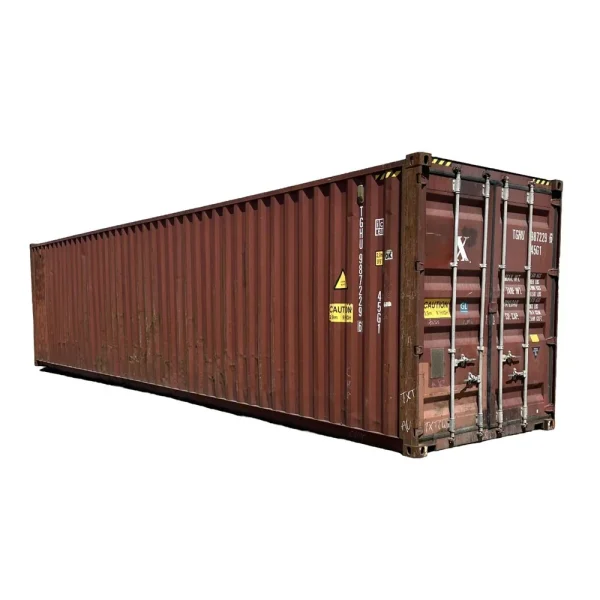
40ft Standard Cargo Worthy Used Shipping Container
$2,800.00
A 40ft Standard Cargo Worthy Used Shipping Container offers general cargo capacity in the larger of the two mainstream container lengths, with a cargo worthy classification that signals fitness for freight use. The standard height profile keeps it in the conventional handling and stacking pattern, and the used status places it in the established second-hand segment of the container market.
40ft Standard Cargo Worthy Used Shipping Container
Condition grade and physical profile both shape what a used container is right for. The 40ft Standard Cargo Worthy Used Shipping Container carries a cargo worthy classification, sits at standard height rather than high cube, and offers the larger of the two mainstream container lengths. It has been in prior service and is offered on that basis.
Product Overview
A dry storage container is a steel box with doors. It holds general cargo without managing temperature or offering anything beyond a closed interior. The 40ft length is the one most commonly moved in international freight, so this unit sits in the mainstream of commercial container use.
Standard describes the height. A standard height container sits lower than a high cube of the same length, and it stacks and handles in the conventional way. For buyers whose cargo is laid out flat or loaded at floor level, that profile is often the natural choice.
Cargo worthy is a condition classification. It describes a container that is fit for carrying cargo, and it belongs to the same family of terms as wind and watertight and one trip. The unit has seen prior service and is sold on the used market with that classification attached.
Key Features
- Cargo worthy condition — a recognised classification indicating the unit is fit for carrying cargo.
- 40ft container footprint — the larger of the two mainstream container lengths, suited to higher-volume consignments.
- Standard height configuration — conventional height and stacking behaviour, distinct from a high cube unit.
- Used condition — previously in service and sold through the second-hand container market.
- Dry storage build — designed for general cargo rather than temperature-controlled goods.
- Standard container handling — lifted and transported using the same practices as the wider container fleet.
Product Specifications
| Specification | Detail |
|---|---|
| Product Type | Dry Storage Container |
| Container Size | 40ft Container |
| Configuration | Standard Height |
| Condition | Used |
| Classification | Cargo Worthy |
Applications and Uses
General dry storage containers fit wherever goods need moving or holding without the constraints of temperature control. A cargo worthy unit is typically chosen by buyers who need the container to be functional for freight or storage rather than for conversion or display purposes.
- Commercial cargo storage — stock held on site or in a yard between movements.
- International freight — the 40ft length is standard for containerised shipping.
- Site storage — equipment, materials, and plant kept in a closed unit.
- Household and business relocations — larger moves consolidated into a single container.
- Bulk goods holding — inventory that needs a closed storage space.
- Long-term storage — goods that will sit for months rather than weeks.
Product Benefits
A recognised condition grade. Cargo worthy is one of the established condition classifications in the container industry. It signals that the unit is fit for carrying cargo, which gives buyers a clear reference point rather than leaving condition to interpretation.
Volume at scale. The 40ft length carries substantially more cargo than a 20ft unit, which makes single-container consolidation practical for larger consignments.
A conventional height profile. Standard height means the unit handles and stacks in the usual way, without the adjustments that a high cube sometimes requires on certain transport or stacking arrangements.
Used-market access. A used cargo worthy container sits in the established second-hand segment of the market, which gives buyers access to a functional unit without buying new.
Straightforward relocation. Like any container, a 40ft unit moves using standard lifting and transport equipment, so repositioning between sites does not require special arrangements.
What Cargo Worthy and Used Mean Together
Used and cargo worthy are two different pieces of information, and both matter when they appear together.
Used describes history. A used container has been in prior service, typically with a shipping line, a leasing fleet, or a commercial operator, and has been withdrawn from frontline duty and resold.
Cargo worthy describes condition classification. It is one of the recognised grades used across the container industry, alongside terms such as wind and watertight and one trip. It indicates the unit is fit for carrying cargo.
Combined, the two attributes describe a container that has seen prior service and is still classified as fit for freight. That is the buyer segment this unit is aimed at — operators and businesses who need a functional container rather than a new or display-grade one.
Frequently Asked Questions
What is a 40ft standard cargo worthy used shipping container?
It is a 40ft dry storage shipping container in a standard height configuration, sold used with a cargo worthy classification. Cargo worthy is a recognised condition grade indicating the unit is fit for carrying cargo.
What does “cargo worthy” mean on a container?
It is a condition classification used in the container industry. A cargo worthy container is one that is fit for carrying cargo, in line with the industry’s established condition grades.
What does “used” mean for a container?
It means the unit has been in prior service rather than being new. Used containers come from shipping lines, leasing fleets, and commercial operations, and are resold through the second-hand container market.
What does “standard height” mean on this container?
Standard height describes the profile. A standard height container sits lower than a high cube of the same length, and it stacks and handles in the conventional way.
Why choose a 40ft container rather than a 20ft one?
The 40ft length holds more cargo than a 20ft unit, so it suits operations moving larger volumes or consolidating multiple smaller loads into a single container.
When is a standard height container preferable to a high cube?
When cargo is laid out flat or loaded at floor level rather than stacked, the extra internal height of a high cube adds less value. Standard height also stacks and handles in the conventional pattern without the adjustments that a high cube sometimes requires.
| Condition | Used |
|---|---|
| Doors | |
| Grades | |
| Height | Standard |
| Length |
Be the first to review “40ft Standard Cargo Worthy Used Shipping Container”
Related products

Reviews
There are no reviews yet.