
Roll Up Doors

$1,850.00
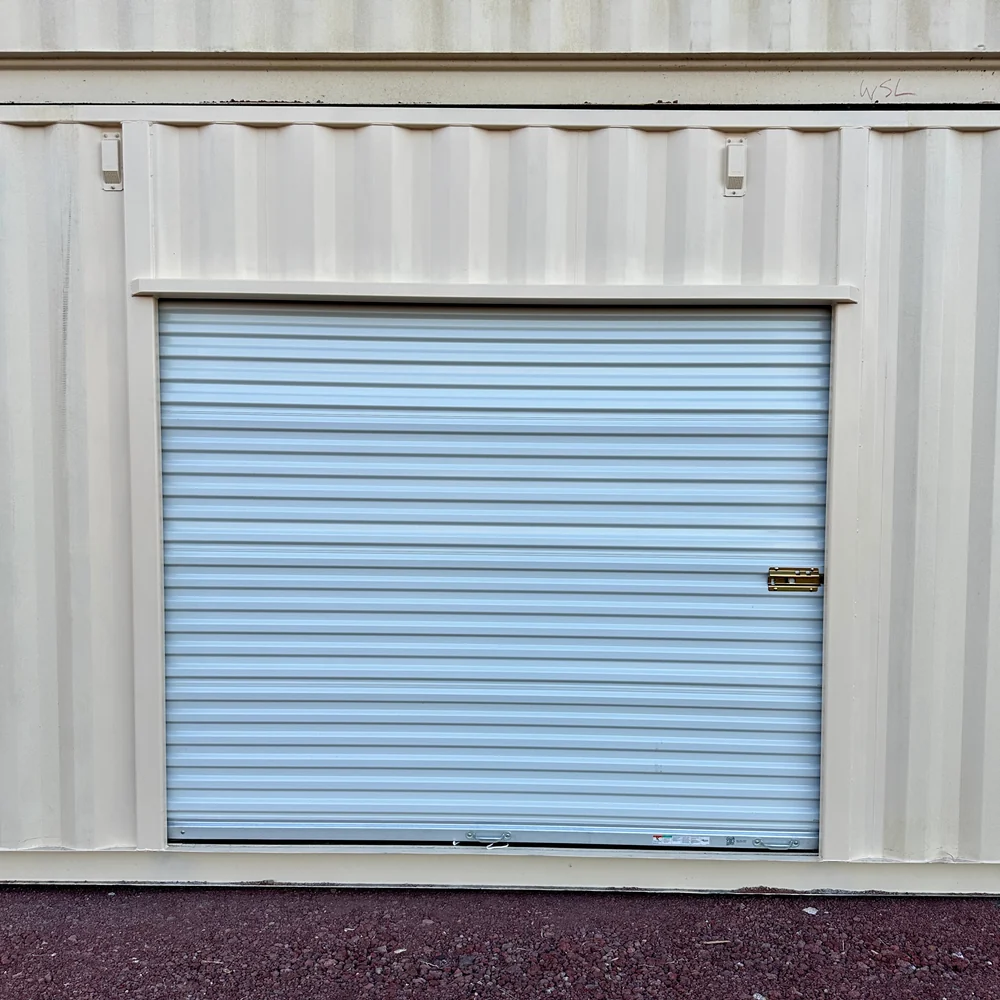
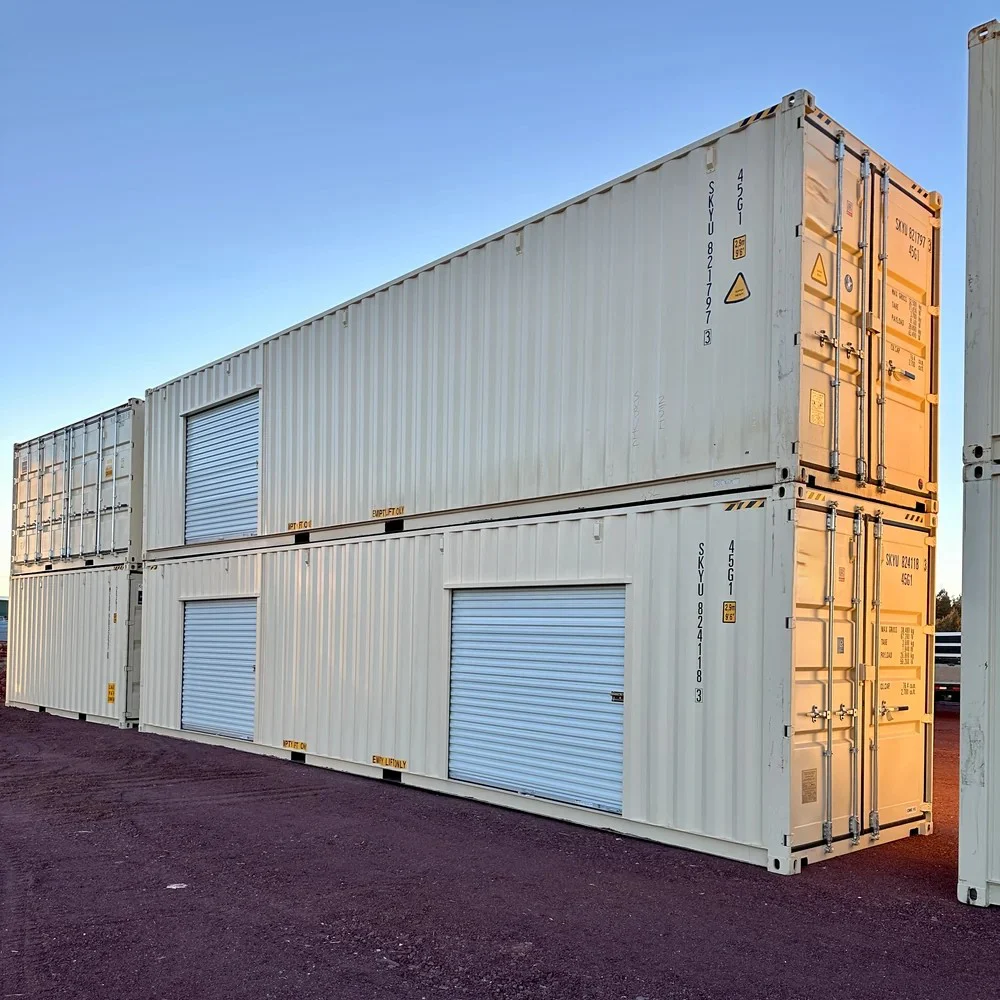
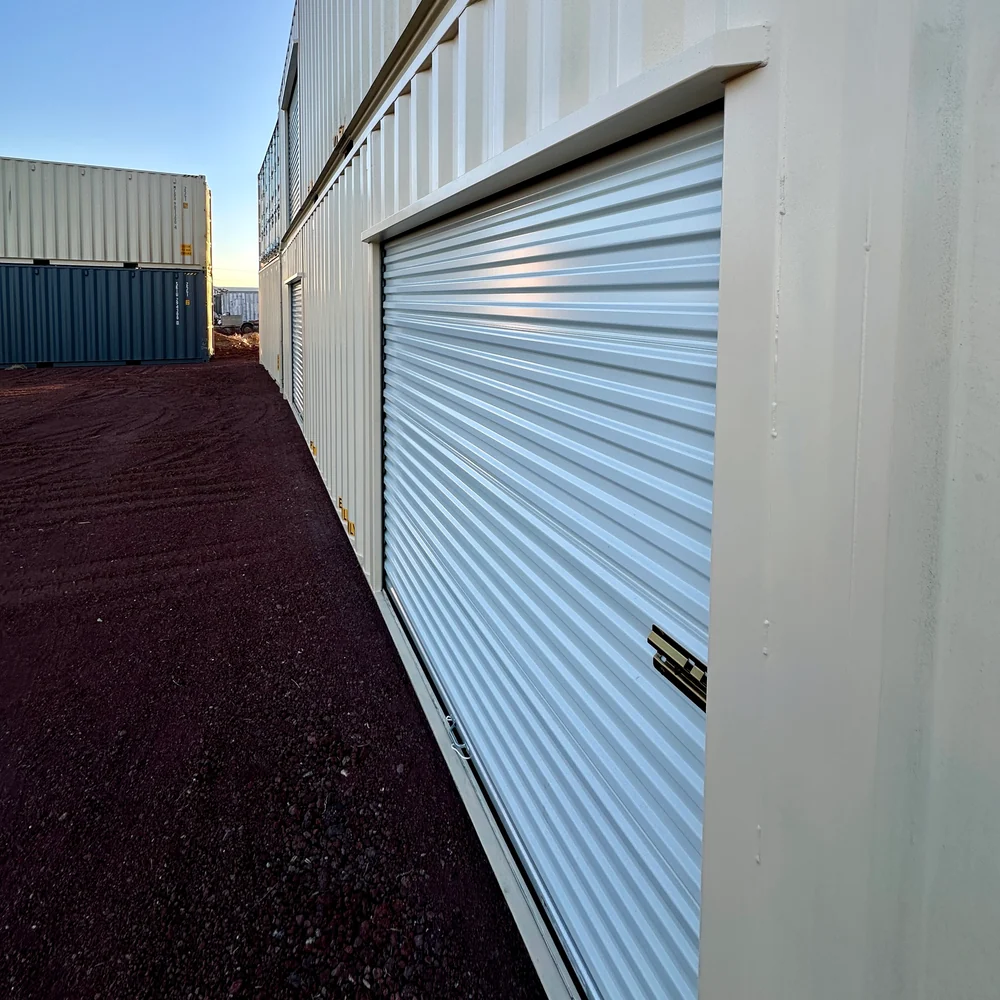
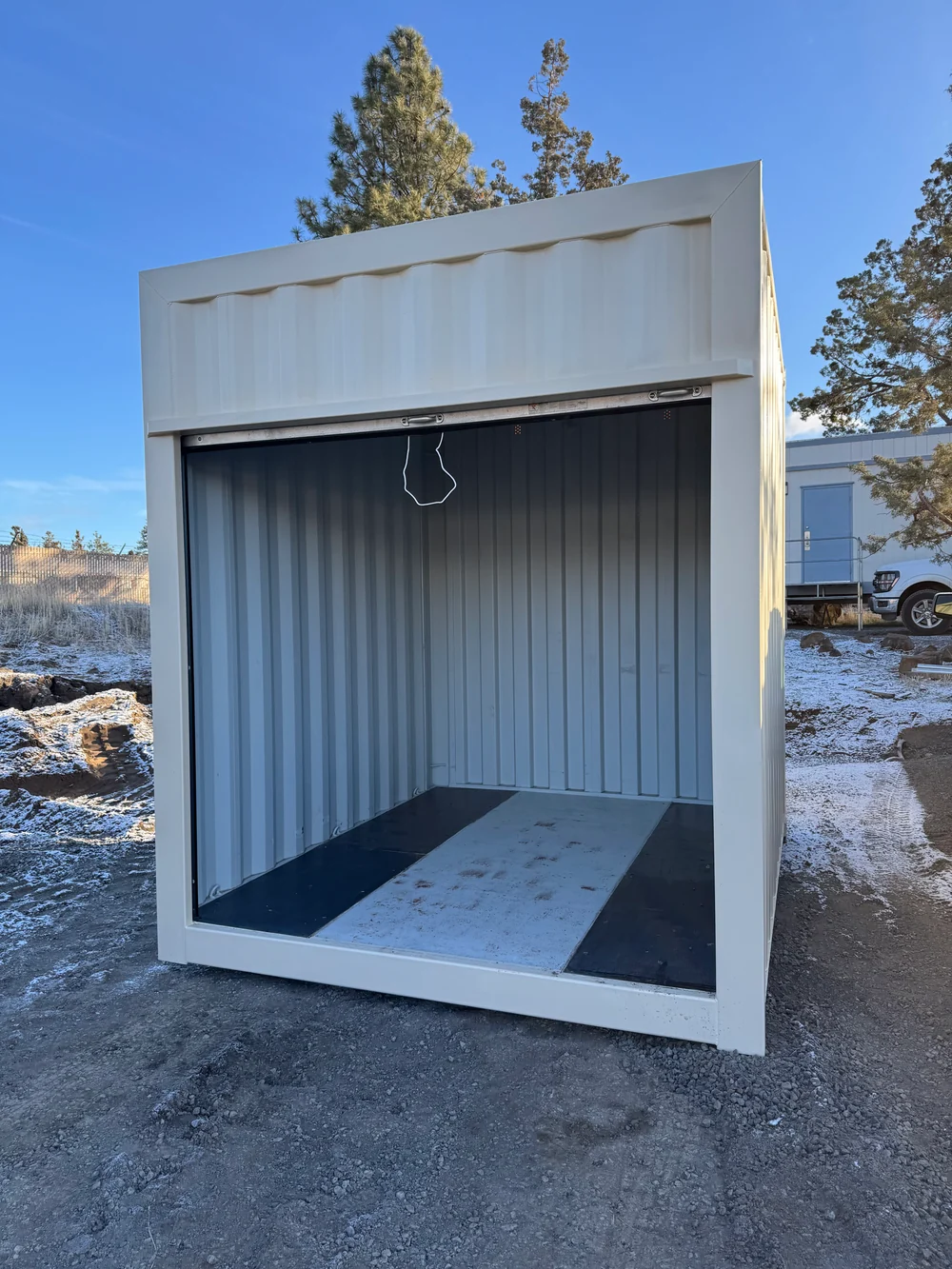
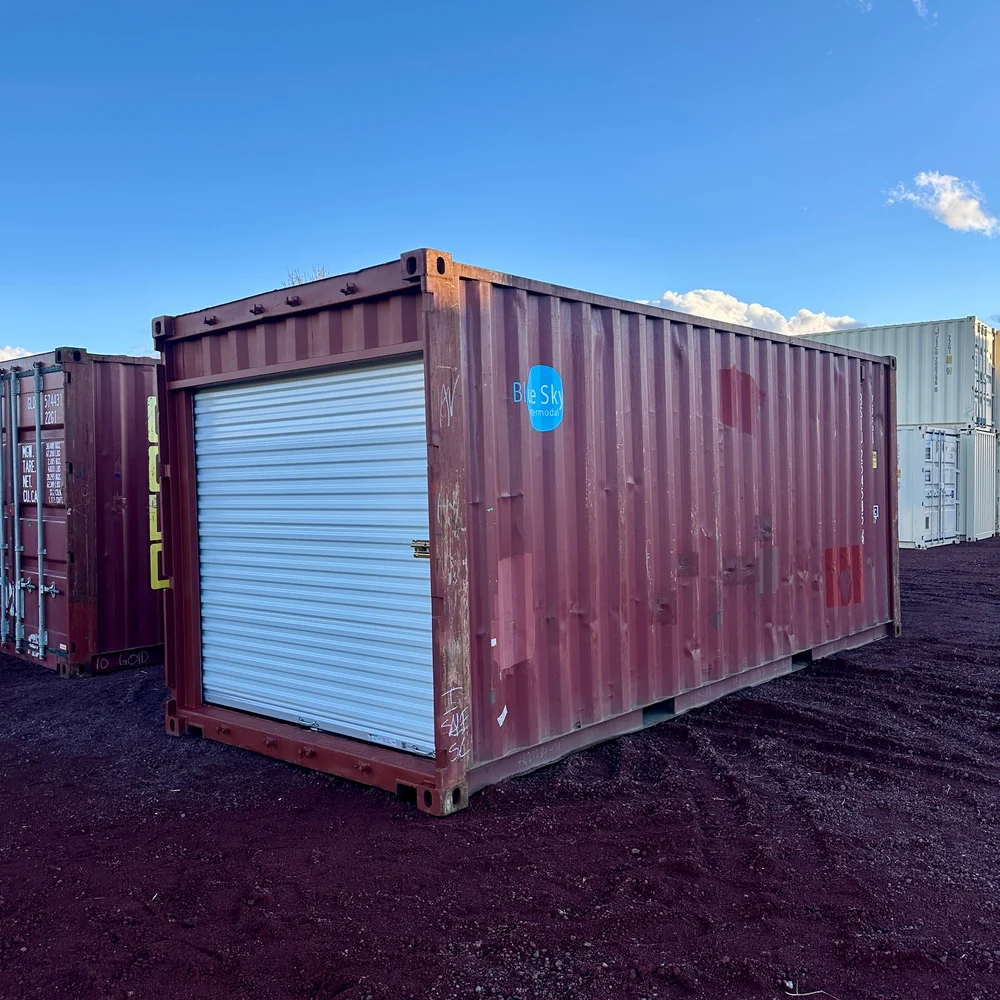
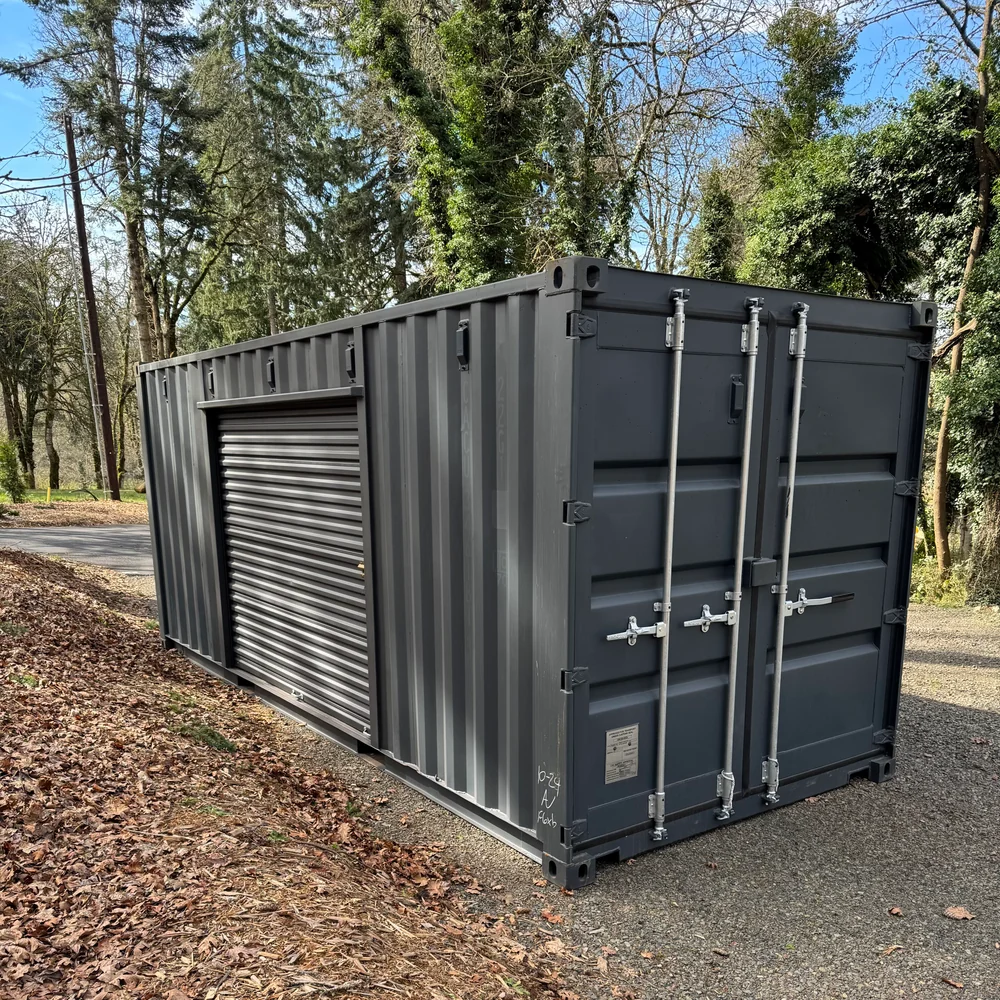
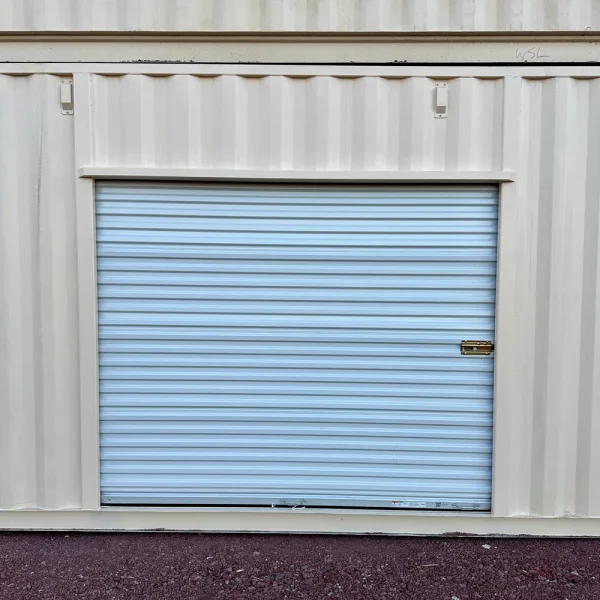
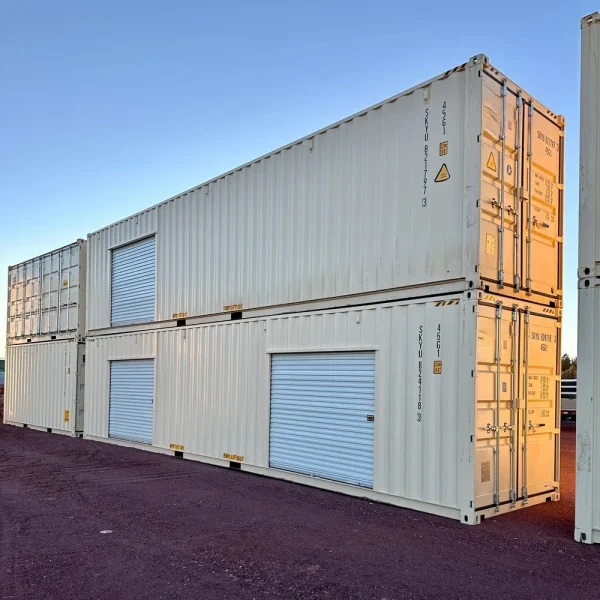
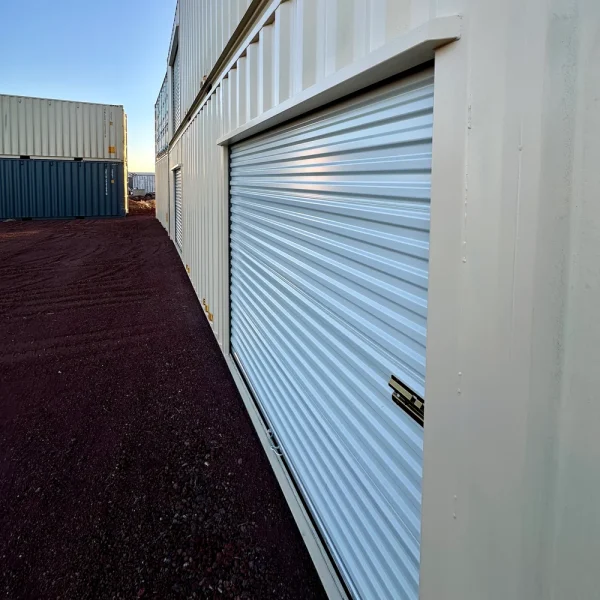
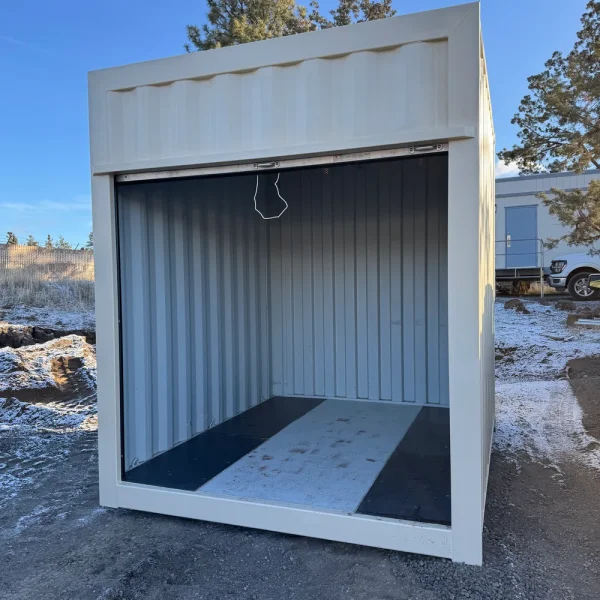
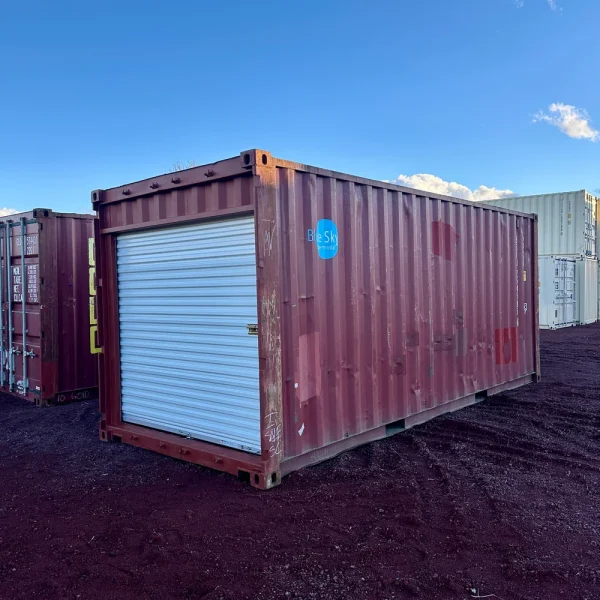
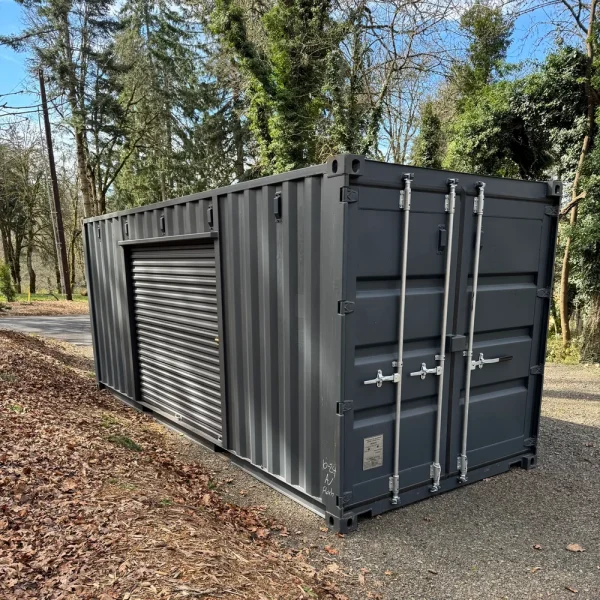
Roll Up Doors are a container accessory intended to replace or provide an alternative to the standard hinged cargo doors fitted to shipping containers. Because the door travels vertically rather than swinging outward, the area in front of the container can stay clear. They are supplied as an accessory, and the container itself is not included.
Roll Up Doors
Roll Up Doors are supplied as a container door accessory, intended for use where a vertically opening door is preferred over the standard hinged cargo doors. Rather than swinging outward, the door lifts and stows at the top of the opening, which keeps the space in front of the container free. They are sold as the door accessory only, without a container.
Product Overview
Standard shipping containers are fitted with two hinged doors that swing outward on vertical hinges. That arrangement works well in open yards, but it needs clear space in front of the container for the doors to open. A roll-up door changes that by travelling upward instead, so the doorway is cleared without anything projecting into the space ahead of the unit.
Roll-up doors are most often considered when a container is being modified, repositioned, or fitted out for a use where a conventional door is awkward. They can also be relevant where a container sits close to a wall, fence, or neighbouring unit and a swinging door would be difficult to operate.
The product name does not define the door’s material, dimensions, track system, or fitting method, so those details should be confirmed from the product specification before ordering. Suitability for a particular container depends on the door design and the container it is being fitted to.
Key Features
- Vertical opening action — the door lifts and stows at the top of the opening rather than swinging outward.
- No swing clearance required — because the door does not project into the space in front of the container, it suits placements where a hinged door would be awkward.
- Container door accessory — intended for use on shipping containers, as an alternative or replacement to standard hinged cargo doors.
- Clear doorway when open — the door moves out of the way vertically, leaving the opening unobstructed for loading and unloading.
- Supplied as an accessory — the door is sold on its own, without a container.
Applications and Uses
Roll-up doors are typically considered where a container’s standard doors do not suit the way the unit is being used or positioned. The list below describes situations where this type of accessory is commonly relevant; it is general context rather than a confirmed capability of this specific product.
- Containers in tight positions — units placed close to a wall, fence, or another container where swinging doors would not have room to open.
- Yard and depot layouts — sites where containers are packed closely and door clearance is limited.
- Site storage containers — units in regular use where a vertically opening door suits frequent loading and unloading.
- Container conversions — projects where the standard doors are being replaced as part of a fit-out or modification.
- Workshops and storage units — containers used as working spaces where a clear doorway is preferred.
Product Benefits
The main practical advantage of a roll-up door is that it removes the need for swing clearance. On a cramped site, that can be the difference between a container being usable in a particular position and not.
Because the door lifts out of the way, the doorway itself stays clear when open. There are no door leaves to work around while carrying items in or out, which can make loading and unloading more straightforward.
As an accessory, a roll-up door is bought separately from a container. That means it can be considered as part of a modification or replacement rather than as a complete unit purchase, which suits buyers who already have a container in place.
What You Get
Roll Up Doors as listed. The shipping container, tracks, fixings, handles, locks, and any installation tools or materials are not included unless separately confirmed.
Frequently Asked Questions
What are roll up doors?
They are a container door accessory that opens by travelling vertically and stowing at the top of the opening, rather than swinging outward on hinges like standard shipping container doors.
Is a shipping container included?
No. Roll Up Doors are supplied as an accessory. The container is not included.
Do roll up doors fit all shipping containers?
Fitment depends on the specific door design and the container it is being fitted to. No universal fit should be assumed from the product name alone, so compatibility should be confirmed before ordering.
Why choose a roll-up door over standard container doors?
The main reason is clearance. Standard container doors swing outward and need space in front of the unit. A roll-up door opens vertically, so it can suit placements where swinging doors would be difficult to operate.
Are tracks and fixings included?
No tracks, fixings, handles, locks, or installation materials are included unless separately confirmed. The product is the door accessory itself.
Can roll up doors be used on converted containers?
Roll-up doors are commonly considered as part of container conversions or modifications, but suitability depends on the container and the door design. This should be confirmed against the specific unit before purchase.
What is included with the purchase?
The roll-up door accessory only. The container and any associated hardware, fixings, or installation materials are not included unless separately confirmed.
Be the first to review “Roll Up Doors”
Related products


Reviews
There are no reviews yet.