
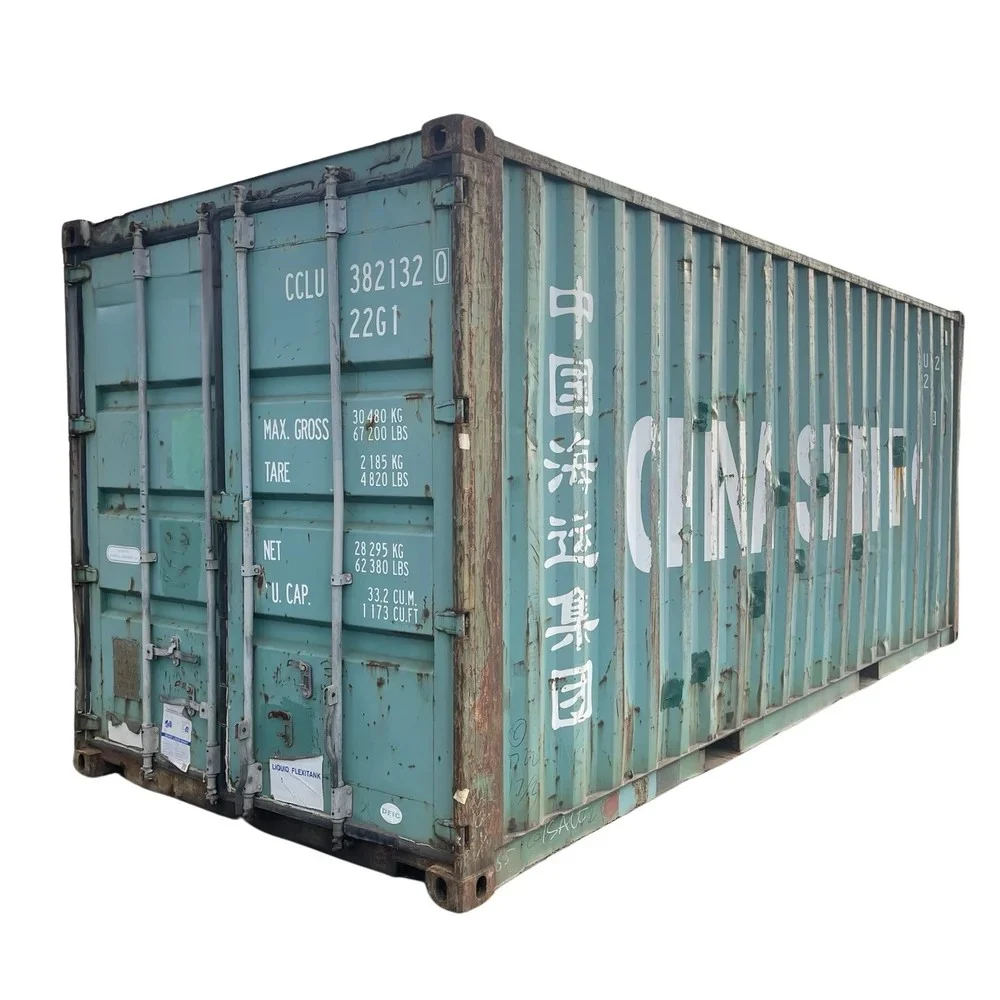
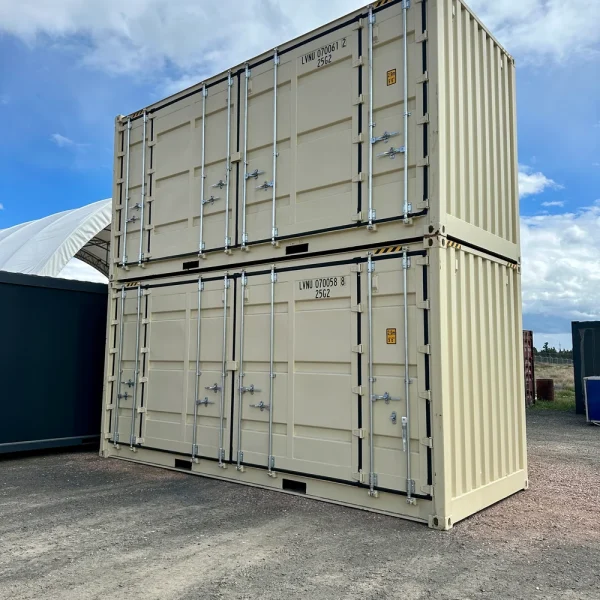
20ft Standard Wind and Weather Tight Shipping Container
$2,650.00
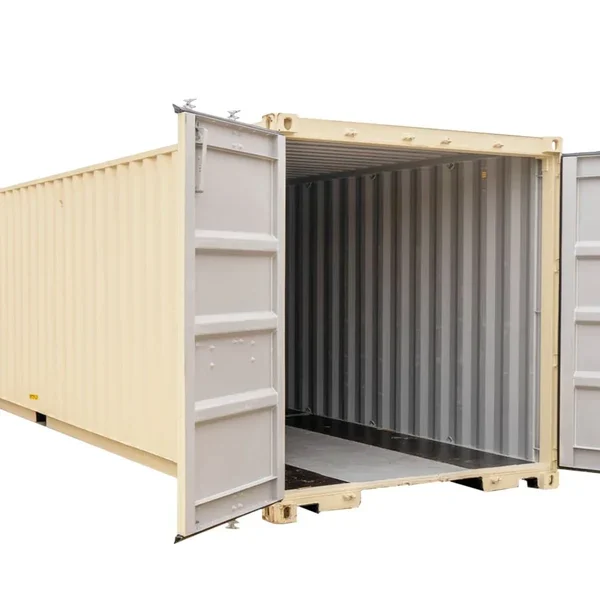
The 20ft Standard Wind and Weather Tight Shipping Container is a dry storage container in a condition category that says something specific about the unit: its structure is sealed against wind and weather. For buyers weighing general cargo storage, that condition is the detail that matters most, and the 20ft format keeps it in the most widely handled container size in the fleet.
20ft Standard Wind and Weather Tight Shipping Container
Condition matters as much as size when a container is being bought for storage rather than shipping. The 20ft Standard Wind and Weather Tight Shipping Container carries a condition classification that speaks to how it holds up against the elements, and the 20ft format keeps it in the most widely handled size in the container fleet. It is a general dry storage unit, not a temperature-controlled one.
Product Overview
A dry storage container is a steel box with doors, designed to hold general cargo without attempting to control temperature or provide anything beyond a closed and sealed environment. The 20ft length is the smaller of the two mainstream container sizes, suited to sites where a 40ft unit would be awkward to position.
Standard, in this context, describes the container height. A standard height unit sits lower than a high cube of the same length, so it handles and stacks in the conventional way.
Wind and weather tight is a condition classification. It describes the state of the container’s structure and seals with respect to weather exposure, and it belongs to the same family of condition terms as cargo worthy and one trip. The classification applies to what the unit is, not to a maintenance guarantee about how it will perform under all conditions.
Key Features
- Wind and weather tight condition — the container’s structure and seals are classified as tight against wind and weather.
- Dry storage build — designed for general cargo rather than temperature-controlled goods.
- 20ft container footprint — the smaller of the two mainstream container sizes, suited to restricted sites.
- Standard height configuration — conventional height and stacking behaviour, distinct from a high cube unit.
- Standard container handling — lifted and transported using the same practices as the wider container fleet.
Product Specifications
| Specification | Detail |
|---|---|
| Product Type | Dry Storage Container |
| Container Size | 20ft Container |
| Configuration | Standard |
| Condition | Wind and Weather Tight |
Applications and Uses
General cargo containers fit wherever goods need holding or moving without the constraints of temperature control. The wind and weather tight classification makes this unit relevant to buyers who need their goods kept out of the weather rather than merely enclosed.
- Commercial storage — stock held on site or in a yard between movements.
- Site storage — equipment, materials, and plant kept out of the elements.
- Household and business relocations — goods protected from rain and wind during a move.
- Bulk goods holding — inventory that needs to stay dry across weeks or months.
- Tools and machinery storage — equipment sensitive to moisture exposure.
- Short-term storage during construction — materials kept on site until they are needed.
Product Benefits
Protection from the elements. The wind and weather tight classification is the main point of the product name. Goods stored inside are shielded from wind-driven rain and the weather exposure that an unsealed container cannot manage.
A manageable footprint. At 20ft, the unit fits yards, compounds, and urban plots where a 40ft container would be difficult to position, while still providing a workable storage volume.
A conventional height profile. Standard height means the unit handles and stacks in the usual way, without the adjustments that a high cube sometimes requires.
Straightforward relocation. Like any container, a 20ft unit moves using standard lifting and transport equipment, so repositioning between sites does not require special arrangements.
What Wind and Weather Tight Means
Wind and weather tight is a condition classification in the container industry. It describes the state of the unit’s structure and seals with respect to weather exposure — the container is tight against wind and rain, without gaps that would let the elements in.
The classification sits alongside other condition terms used on containers, such as cargo worthy and one trip. It is one of the recognised descriptions a buyer can rely on when assessing what a container is suited to, and it appears here on the listing rather than being left to assumption.
Frequently Asked Questions
What is a 20ft standard wind and weather tight shipping container?
It is a 20ft dry storage shipping container in a standard height configuration, classified as wind and weather tight. That condition describes the state of the unit’s structure and seals with respect to weather exposure.
What does “wind and weather tight” mean?
It is a condition classification. It means the container’s structure and seals are tight against wind and rain, so goods stored inside are shielded from weather exposure.
What does “standard” mean on this container?
Standard describes the height. A standard height container sits lower than a high cube of the same length, and it stacks and handles in the conventional way.
What is a 20ft container normally used for?
General dry storage containers of this size are commonly used for commercial storage, site storage, household moves, and holding goods that need to stay protected from the weather.
Why choose a 20ft container rather than a 40ft one?
The 20ft length is smaller and easier to position on restricted sites, yards, and urban plots. It also holds less cargo than a 40ft unit, which suits operations moving moderate volumes rather than large ones.
| Grades | |
|---|---|
| Condition | Used |
| Doors | |
| Height | Standard |
| Length |
Be the first to review “20ft Standard Wind and Weather Tight Shipping Container”
Related products

Reviews
There are no reviews yet.